


How to choose vibration sensor (part 2)?
Choosing the right vibration sensor for your application can be a complex process, but here are some key factors to consider (part 2)
7. Support and maintenance: The sensor should come with adequate support and maintenance, so it’s important to choose a sensor from a reputable manufacturer with a proven track record of providing good customer support.
8. Install: The sensor should be easy to mount and secure in place. Some sensors require special mounting hardware, while others can be mounted directly to the system being monitored
9. Connectivity: The sensor should be easily connected to the data acquisition system. Consider the type of connector that is needed and whether the sensor comes with the necessary cables or connectors.
10. Calibration: The sensor should be easily calibrated and come with a calibration certificate. This is important for ensuring accurate measurements and maintaining the accuracy of the sensor over time.
11. Durability: The sensor should be durable and able to withstand the conditions where it will be used. Consider the materials used in construction and the manufacturer’s specifications for the sensor’s durability
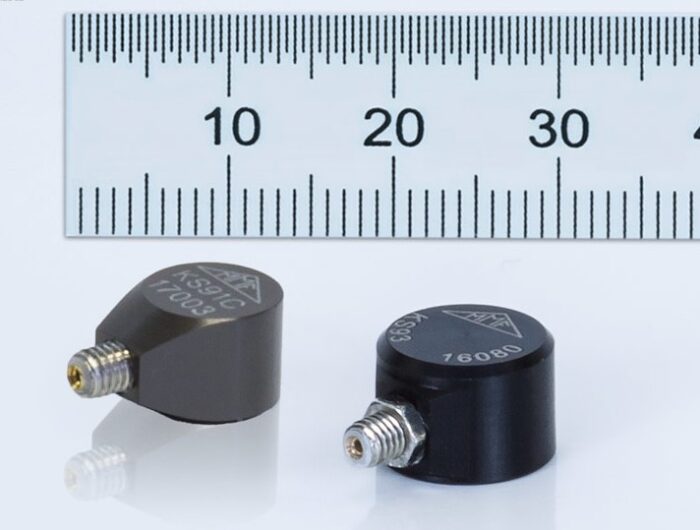
12. Size: The size of the sensor should be appropriate for the system being monitored. Consider the space available for mounting the sensor and whether the sensor will interfere with other components or systems. The accelerometers are mounted adhesively or by an M3 base thread. The KS98B10/100 can be mounted by a plastic clip in three different directions. Models KS96B10/199, KS97B10/100 and KS98B10/100 are particularly suited for modal and structural analysis. Model KS94L with Low Power IEPE output was developed for applications demanding low power consumption, such as sensor telemetry
By considering these additional factors, you can ensure that you choose a vibration sensor that will meet your needs and provide accurate and reliable monitoring of your system.
You can review part 1 here…